LIDAR Maps Thousands of Ancient Earthworks Across the Amazon
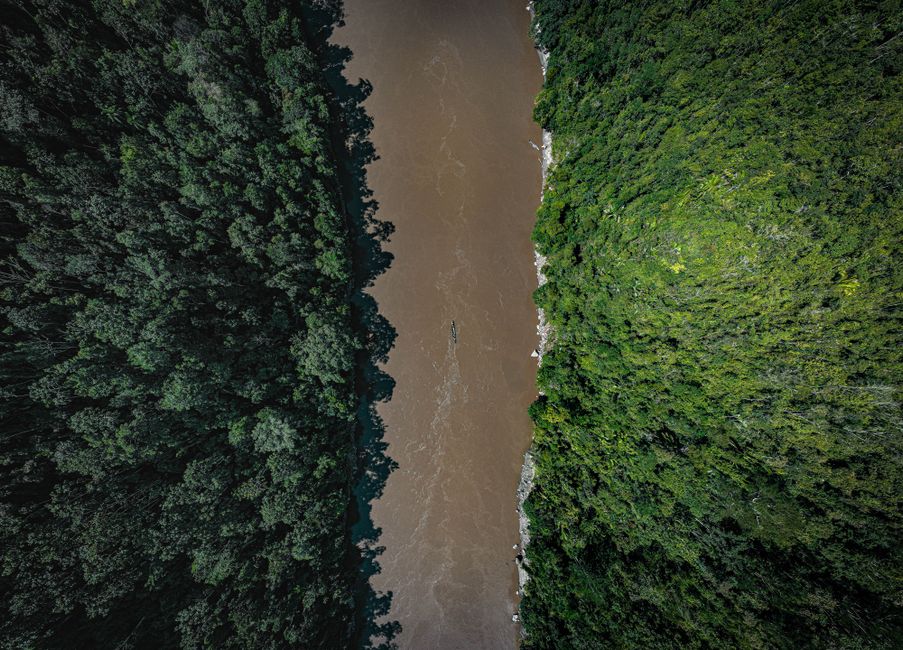
Researchers using airborne laser scanning have identified a vast network of earthen structures hidden beneath the Amazon rainforest canopy. The surveys, conducted with Light Detection and Ranging (LIDAR) technology, reveal roughly 20,000 distinct earthworks—comprising ditches, embankments and other modifications—spread over an area estimated at 400,000 square kilometres. The sheer number and extent of these features suggest that the region supported a much larger human presence than previously documented.
Archaeologists interpreting the data propose that the constructions may have served a range of functions, from ceremonial sites to hubs of political or commercial activity. However, the precise purposes of most earthworks remain undetermined, as no extensive excavations have yet confirmed their use. The scale of the mapped landscape has led some scholars to estimate that, at its height, the pre‑European Amazonian societies could have housed millions of inhabitants.

The findings build on a growing body of research that challenges the long‑standing view of the Amazon as a sparsely populated wilderness prior to European contact. LIDAR, which can penetrate dense foliage to produce high‑resolution topographic maps, has become a pivotal tool for uncovering hidden archaeological features in tropical environments worldwide. While the new data dramatically expands the known footprint of ancient settlements, investigators caution that much of the region remains unexplored and that further fieldwork is needed to validate interpretations.
The discovery underscores how modern remote‑sensing techniques are reshaping understandings of pre‑colonial South America, prompting renewed interest in the social organization, environmental management, and legacy of the continent’s early inhabitants.
Source: unexplained-mysteries.com


