New Colobus Monkey Species Discovered in Congo Highlights Gaps in Biodiversity Knowledge
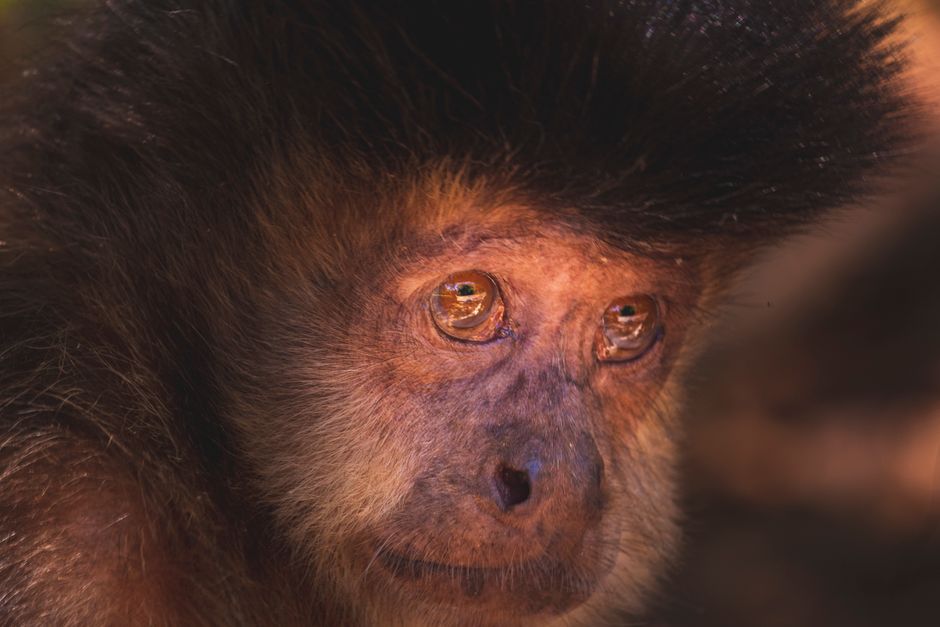
A primate with glossy black fur, striking orange lips and distinctive white perianal patches has been formally described as a new species of colobus monkey, Colobus congoensis, after a series of field observations and laboratory analyses conducted in the Democratic Republic of Congo’s Lomami National Park. Researchers say the animal, locally called “Likweli,” represents a separate evolutionary lineage that split from its nearest relative, the black colobus (Colobus satanas), roughly four to five million years ago. The finding marks only the fifth time in the past 75 years that a new monkey species has been identified on the African continent, a continent where most newly described species are invertebrates or deep‑sea organisms.
The first hint of the monkey’s existence came in 2008 when a team of field biologists captured a partially obscured photograph of an unfamiliar colobus in the remote forest. A clearer image was obtained a decade later, prompting a focused expedition that recorded the animal’s morphology, vocalisations and genetic material. Comparative DNA sequencing, skeletal measurements and acoustic profiling all indicated that the specimens differed sufficiently from known colobus taxa to merit species status. The researchers’ paper, co‑authored by Congolese primatologist Junior Amboko, notes that the lineage’s divergence dates to the mid‑Pliocene, a period of significant climatic change in Central Africa.
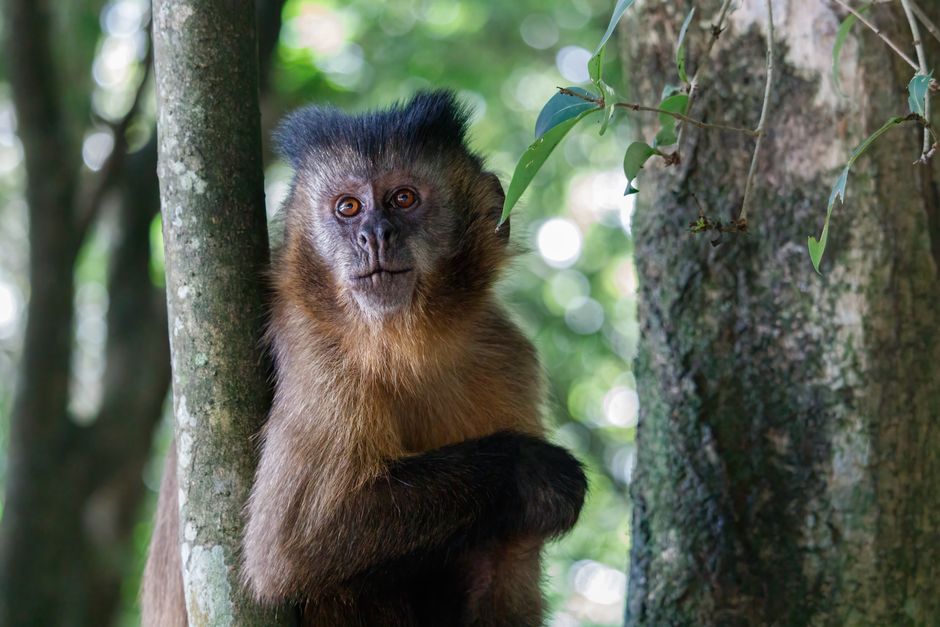
Field surveys between 2018 and 2022 documented 114 sightings of the new monkey across an estimated habitat of about 900 square miles (approximately 2,300 square kilometres). The animals are relatively small for colobus monkeys, weighing around 15 pounds (7 kg), and possess long black facial hairs, large folded ears and a reflective coat that may aid camouflage in the dappled understory. Interviews with residents of 52 villages surrounding the park revealed that only eight villages reported ever seeing the primate, suggesting a limited distribution and low encounter rates. Local hunters also identified the monkey as a target, raising concerns about its vulnerability.
Based on the limited range, low detection frequency and evidence of hunting pressure, the authors of the study recommend that Colobus congoensis be classified as Endangered on the International Union for Conservation of Nature (IUCN) Red List. The recommendation aligns with the authors’ observation that the species’ habitat is confined to a single protected area, making it susceptible to habitat degradation and illegal extraction. While the formal assessment has not yet been completed, the researchers stress that the species’ status underscores the need for intensified conservation measures within Lomami National Park and surrounding communities.
The discovery arrives at a time when biodiversity inventories in Central Africa are still incomplete, despite decades of scientific expeditions. The fact that a medium‑sized primate could remain undocumented until the 21st century illustrates both the challenges of surveying dense tropical forests and the potential for further unknown taxa. Conservationists point to the find as a reminder that protecting large, contiguous forest blocks remains critical not only for known species but also for those yet to be described. The researchers hope that the publicity surrounding the new monkey will bolster support for anti‑poaching initiatives and encourage local participation in monitoring efforts.
Source: goodnewsnetwork.org